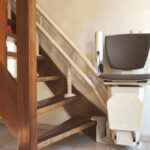

When mobility becomes a challenge, stair lifts can restore independence and safety in the home. Many people considering a stairlift also ask a practical question: Is a stairlift tax-deductible? The answer depends on your country’s tax code, your specific circumstances, and how the expense is classified. This article explains common tax considerations and steps you can take to determine whether the cost of stair lifts may be deductible.
Medical expense deductions and stair lifts
In many tax jurisdictions, medical expense deductions allow taxpayers to claim out-of-pocket costs incurred for the diagnosis, cure, mitigation, treatment, or prevention of disease, or for treatments affecting any part or function of the body. Stair lifts are often considered a medical necessity when they are used to accommodate a person with a physical disability or medical condition that makes stairs unsafe or unusable.
If your stair lift is prescribed by a licensed medical practitioner (for example, a physician or occupational therapist) to help you or a dependent with mobility limitations, the purchase and installation may qualify as a deductible medical expense. This typically applies when the primary purpose of the stair lift is to alleviate or prevent a medical condition rather than for convenience or aesthetic reasons.
Home modifications and capital expense rules
Stair lifts are also a form of home modification. Tax rules sometimes treat home modifications differently from everyday medical expenses. For example:
- Deductible medical expenses: You may deduct the portion of home modification costs that exceed the increase in the home’s value and that are necessary for medical care. Some tax authorities allow the full cost (less any increase in property value) as a medical expense if a doctor prescribes the change.
- Capital expense treatment: Other jurisdictions consider modifications like stair lifts to be capital improvements that increase property value. In these cases, you may not deduct the full cost as a medical expense, but you could add the cost to your home’s adjusted basis for capital gains tax purposes.
Because rules vary, it’s important to know whether stair lifts are treated as a medical expense, a capital improvement, or both under your local tax law.
Documentation you should keep
To support a claim that stair lifts are tax-deductible, maintain clear documentation:
- Prescription or supporting letter: A written recommendation or prescription from a licensed healthcare professional stating that the stair lift is medically necessary.
- Receipts and invoices: Detailed receipts showing purchase price, installation, and any related fees.
- Proof of payment: Bank or credit card statements verifying payments.
- Before-and-after valuation: If your tax authority requires showing increased property value, obtain a reputable estimate of the home’s value before and after installation.
- Warranty and service records: Keep any manufacturer paperwork and service records for the stair lift.
Possible reimbursement through insurance or veterans’ benefits
Before pursuing tax deductions, check whether private health insurance, long-term care insurance, provincial programs, or veterans’ benefits cover part or all of the stair lift cost. If you receive reimbursement, you cannot claim the reimbursed portion as a deduction. Lancaster Mobility can help by supplying detailed invoices and specifications needed for insurance or benefits claims.
How to proceed
- Consult a tax professional: Tax laws differ by country and province/state. A qualified tax advisor or accountant can review your situation and advise whether stair lifts are deductible for you and the best way to claim them.
- Get a medical recommendation: If possible, obtain a written recommendation from your physician or occupational therapist describing the medical necessity of a stairlift.
- Keep meticulous records: Save all paperwork related to the purchase, installation, and medical justification.
- Review local programs: Explore government or non-profit assistance programs that may offset costs before relying on a tax deduction.
Lancaster Mobility — here to help
At Lancaster Mobility, we understand how important safe stair access is for maintaining independence. As an authorized dealer of Bruno stair lifts and other mobility solutions, we provide top-quality products and professional installation. If you’re considering stair lifts and need documentation for medical, insurance, or tax purposes, contact us — we can provide detailed invoices, product specifications, and installation records to support your claim.
Call: 1-877-579-1998
Address: 17670 65A Ave Unit 107, Surrey, BC V3S 5N4, Canada
Final note
While stair lifts may be tax-deductible in many cases when deemed medically necessary, the rules are complex and jurisdiction-specific. Always consult a tax professional and gather proper medical documentation before claiming a deduction. If you need expert advice on stair lifts, product options, or paperwork to support your claim, Lancaster Mobility is ready to assist.