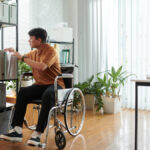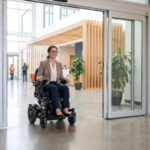

Mobility challenges can affect people at different stages of life, whether due to aging, injury, or health conditions. Despite the availability of helpful solutions, some individuals hesitate to use assistive devices because of social stigma.
One common example is the perception surrounding stairlifts. However, choosing to use stairlifts is not a sign of weakness. Instead, it reflects awareness, adaptability, and a commitment to personal safety.
Understanding the Stigma
For many, the idea of installing a stairlift may feel like an admission of decline. Society often places value on independence in its traditional form, which can make people reluctant to accept support. This mindset may lead individuals to delay making necessary changes in their homes, even when safety is at risk.
The hesitation is often rooted in perception rather than reality. Stairlifts are designed to improve quality of life, not limit it. Shifting this perspective is an important step toward embracing practical solutions.
Prioritizing Safety and Independence
One of the most important reasons to consider stairlifts is safety. Stairs can become hazardous when mobility is reduced. A simple misstep may result in injury, which can have long-term consequences.
By installing a stairlift, individuals take proactive steps to reduce risk. This decision supports independence by allowing continued access to all areas of the home without relying on constant assistance. Rather than giving something up, it allows individuals to maintain control over their daily routines.
A Practical and Empowering Choice
Using stairlifts is a practical solution to a real challenge. It reflects the ability to recognize personal needs and act accordingly. This level of self-awareness is a form of strength.
Making adjustments to one’s environment is a positive and forward-thinking decision. It shows a willingness to adapt rather than struggle unnecessarily. In many ways, it demonstrates resilience and a focus on long-term well-being.
Supporting Emotional Well-Being
Mobility limitations can sometimes affect confidence and emotional health. Avoiding certain areas of the home or feeling restricted in movement may lead to frustration or isolation.
Stairlifts help restore a sense of freedom. Being able to move comfortably between floors may improve confidence and encourage greater participation in daily activities. This can have a meaningful impact on overall well-being.
Changing the Conversation
Part of overcoming stigma involves changing how assistive devices are viewed. Stairlifts are not symbols of limitation. They are tools that support safe and comfortable living.
Just as eyeglasses improve vision or handrails provide stability, stairlifts serve a clear and valuable purpose. Open conversations about mobility solutions may help normalize their use and reduce negative perceptions.
Families and caregivers also play a role in this shift. Encouraging supportive discussions and focusing on benefits rather than assumptions may help individuals feel more comfortable making the decision.
Planning for the Future
Another important aspect of using stairlifts is planning ahead. Waiting until mobility becomes severely limited may increase the risk of accidents. Taking action early allows for a smoother transition and continued independence.
Proactive decisions often lead to better outcomes. Installing a stairlift before it becomes necessary may provide peace of mind and reduce stress for both individuals and their families.
Take a Step Toward Safer Living Today!
If you or a loved one is considering stairlifts, Lancaster Mobility offers solutions designed to support comfort and independence at home. Our team guides you to help you choose the right option for your needs. Visit us to learn more and take the next step toward safer, more accessible living.