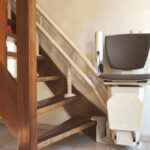
For many people, stairs are simply part of moving around the house. As mobility changes with age, injury, or a disability, however, a staircase can become a daily challenge. This can be particularly relevant in Coquitlam, where many homes have multiple levels and different staircase layouts. A stair lift may provide a practical way to move between floors without requiring major changes to the home.
When comparing stair lifts in Coquitlam, the right choice depends on the staircase, available space, the user’s mobility needs, and how the lift will be used.
Start With the Staircase
The first step is to look closely at the shape and layout of the stairs. A straight staircase may accommodate a conventional straight stair lift with a rail following one continuous path.
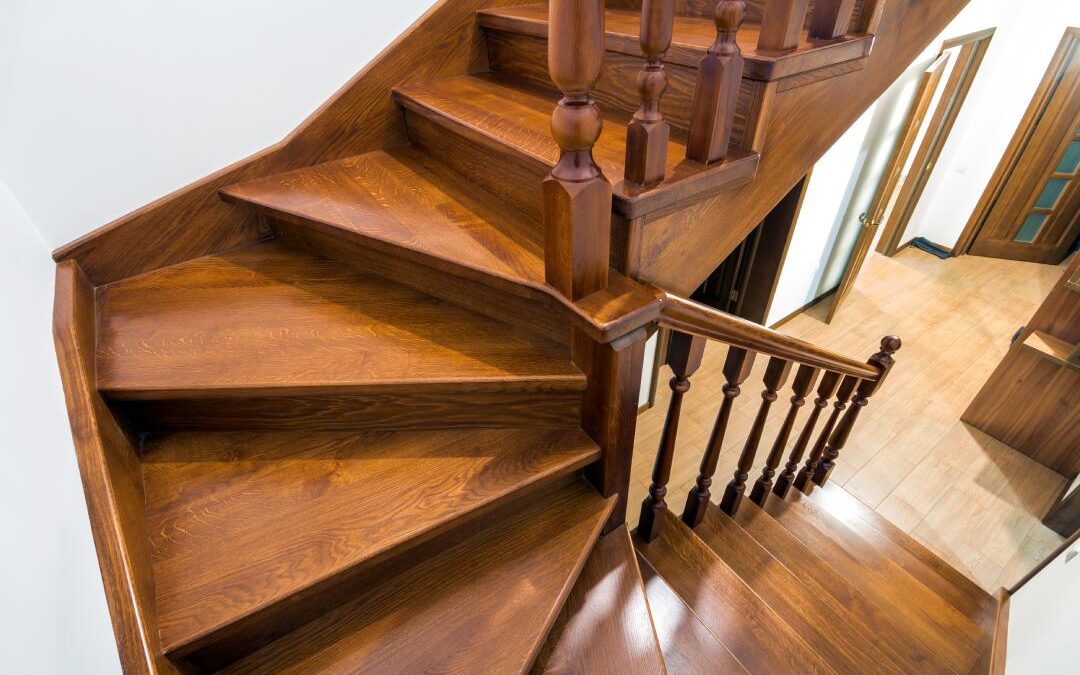
Other homes have turns, intermediate landings, or curved sections. In these situations, curved stairlifts may be considered. These systems are designed around the individual staircase rather than relying on a standard straight rail. Lancaster Mobility offers both straight and curved indoor stair lifts, as well as outdoor options.
Consider Available Space
Space matters in a busy household. A stair lift should provide access without unnecessarily restricting other people who use the stairs. Some models include folding seats, footrests, and armrests. These features allow the equipment to occupy less space when it is parked.
For example, the Handicare Freecurve includes fold-up components intended to preserve stairway space for other users. During an assessment, it is useful to consider where the lift will park at the top and bottom and whether doors, hallways, or landings affect access.
Think About Comfort and Ease of Use
A stair lift needs to be practical for the person using it. Seat height, armrest position, footrest size, controls, and transfer requirements can all influence everyday use. Safety features are also worth reviewing. Depending on the model, these may include seat belts, obstruction sensors, swivel seats, emergency stops, and battery backup.
Lancaster Mobility’s listed stair lift systems include several of these features, although specifications vary by model. The user’s ability to sit, stand, transfer, and operate controls should be considered before selecting a system.
Look at the Whole Home
Older multi-level homes may have more than one staircase or an exterior staircase leading to an entrance. An indoor lift may address one access issue while another remains. Lancaster Mobility lists indoor and outdoor stair lift options, including straight and curved configurations.
For homes with exterior stairs, an outdoor model may be worth discussing. Weather exposure, the staircase design, and how frequently the lift will be used should all be part of the assessment.
Get the Staircase Assessed
A home assessment is more useful than choosing a lift based only on photographs or general dimensions. The staircase should be measured and evaluated alongside the user’s needs.
Lancaster Mobility states that its professional assistance includes surveying the staircase to assess requirements and help identify an appropriate system. For curved installations, customized measurement is especially important because the rail needs to follow the staircase’s specific shape.
Make Every Level of Your Home More Accessible!
If stairs are becoming difficult to navigate, Lancaster Mobility can help you explore suitable accessibility options for your home. Our stair lift range includes straight, curved, indoor, and outdoor systems, with installation and after-market service options available. Explore Lancaster Mobility to arrange a staircase assessment and explore a stair lift solution designed around your home’s layout and everyday needs.