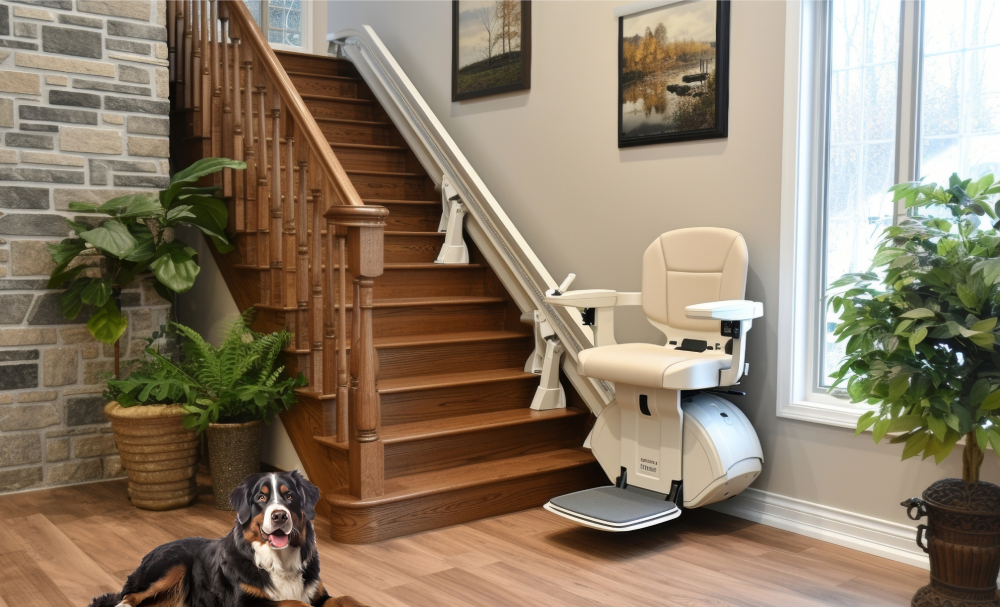
Stairlifts provide valuable support for individuals who want to move safely between floors in their homes. For pet owners, however, adding this equipment introduces a new dynamic. Cats and dogs are naturally curious, and a moving device on the stairs may quickly capture their attention. With a few simple precautions, it is possible to create a safe environment for both people and their furry companions.
Understanding How Pets React to Stairlifts
Pets often respond to new objects with curiosity or caution. A stairlift that moves up and down may appear unusual or even exciting to them. Some pets may try to chase it, while others may sit nearby and observe. Smaller animals, in particular, may attempt to jump onto the seat if it is left accessible.
Recognizing how your pet reacts is the first step in improving safety. Observing their behaviour around stairlifts can help identify potential risks early.
Keeping the Path Clear
One of the most important safety practices is ensuring that the staircase remains clear at all times. Pets may lie on the steps or pause unexpectedly while moving up or down. Before operating a stairlift, it is important to check that your pet is not on the stairs or near the track.
Encouraging pets to stay away from the staircase during operation may help reduce the risk of accidents. Training commands or gentle redirection can be useful in establishing this habit.
Using Safety Features Effectively
Modern stairlifts often include built-in safety features such as seat belts, obstruction sensors, and remote controls. These features are designed to stop the lift if something is detected on the track.
While these systems add an extra layer of protection, they should not replace careful observation. Regularly testing these features ensures that they are working correctly and may help maintain a safe environment for both users and pets.
Supervising Pets Around the Lift
Supervision plays an important role, especially when pets are still adjusting to the presence of a stairlift. Until they become familiar with it, they may act unpredictably. Keeping an eye on pets during the initial period can help prevent unwanted interactions.
For households with very active pets, it may be helpful to use barriers or gates near the staircase. This approach can limit access when the stairlift is in use.
Avoiding Unintended Use
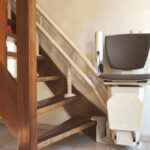
Some pets may attempt to climb onto the stairlift seat when it is parked. This can be risky, particularly if the lift is activated while the pet is on it. To reduce this risk, the seat can be folded up when not in use, making it less accessible.
Keeping remote controls out of reach and ensuring that only authorized users operate the lift is another important step. These small actions may help prevent accidental movement.
Creating a Comfortable Environment
Helping pets feel comfortable around stairlifts may reduce anxiety and unsafe behaviour. Allowing them to observe the lift from a safe distance while it is operating can help them become familiar with its movement and sound.
Positive reinforcement, such as treats or praise, may also encourage calm behaviour. Over time, most pets adapt and learn to ignore the lift altogether.
Routine Maintenance and Checks
Regular maintenance is essential for the safe operation of stairlifts. Ensuring that the track is clean and free from debris helps the system function smoothly. Pet hair or small objects can sometimes collect along the track, so periodic cleaning is important.
Scheduling routine inspections may help identify any issues early and ensure that all components are working as intended.
Make Your Home Safer for Everyone!
If you are considering installing a stairlift or want to learn more about safe options for your home, Lancaster Mobility offers guidance tailored to your needs. Our team focuses on helping you create a comfortable and secure living space.